1. VPS Dynamics can improve connectivity and blockade resistance, but it is not a universal isolator;
2. Select Malaysian VPS involving jurisdiction, logging policy and network neutrality risks;
3. Compliance reinforcement, encryption and multi-layer strategies are the keys to balancing anti-blocking and privacy protection.
In today's Internet battlefield, more and more organizations and individuals are using VPS dynamics (such as changing IP, rotating nodes, etc. strategies) to improve access stability and anti-blocking capabilities. Take Malaysian VPS as an example. Its geographical location, operator strategy and regulatory environment make it a "cost-effective" choice in certain scenarios. However, cybersecurity experts must caution: Fast and effective does not equal complete security.
Anti-blocking In terms of
anti-blocking, dynamic IP and flexible deployment can significantly reduce the risk of single-point blocking. Through reasonable node rotation and load balancing, services can quickly switch routes and maintain availability when encountering blockades. However, it should be noted that frequent IP changes without authentication and traffic specifications can easily be recognized by the target platform as abnormal behavior, which will trigger stricter blockade or account restrictions.
In terms of privacy protection, choosing a Malaysian node brings a "double-edged sword". On the one hand, if the service provider adopts a strict no-logging policy and a transparent privacy statement, it can reduce the risk of passive leakage of user data to a certain extent; on the other hand, if the provider is located in a region with active data supervision or a judicial assistance treaty, user data may still be requested under legal procedures.
From a professional network security perspective, when evaluating VPS Dynamics solutions, you should focus on: the operator's legal jurisdiction, log retention policy, data encryption mechanism, operation and maintenance transparency, and emergency response capabilities. The advantages of any single dimension cannot replace systematic risk management.
In terms of actual protection strategies, it is recommended to adopt the principle of "multi-layer protection + compliance first". The basic layer should ensure encryption of the transport layer and application layer; the middle layer should use a reputable cloud/bandwidth provider and enable minimal log configuration; the policy layer should introduce traffic behavior monitoring and rate limiting to avoid bans triggered by abnormal patterns. At the same time, legal compliance paths are retained to ensure a clear compliance response process when facing government requests.
As for operator selection, Malaysia has several cost and connectivity advantages, especially low latency for Southeast Asian business. But beware of the “cheap means high risk” trap: some low-price providers lack security infrastructure and transparent auditing, thereby increasing the chance of intrusion or data misuse.
From a privacy design perspective, it is recommended to adopt end-to-end encryption, the principle of least privilege, and periodic security audits. For critical information, consider using irreversible desensitization or isolated storage to reduce the impact of single-point leakage. If the goal is long-term and stable anti-blocking, you might as well do a mixed deployment across multiple regions and multiple suppliers to spread the risk of being blocked centrally.
In terms of compliance and ethics, any use surrounding VPS Dynamics must comply with local laws and the target platform's terms of service. As network security practitioners, we should emphasize that "security does not protect illegal behavior": only by using technology in a compliant manner can long-term and stable privacy and anti-blocking effects be achieved.
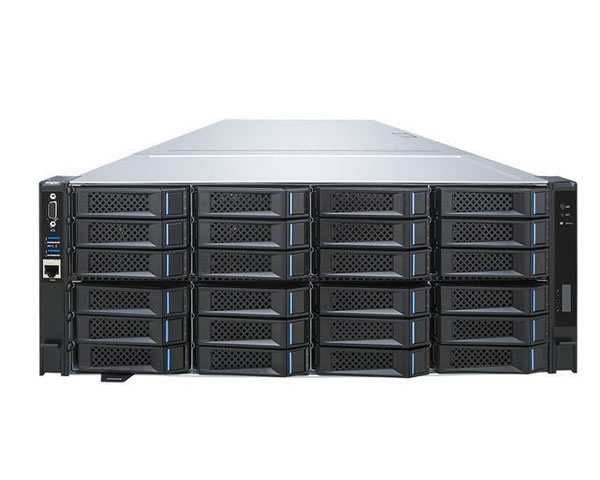
At the technical implementation level, we do not provide operational details for evading law enforcement or illegally bypassing restrictions, but we can clearly recommend: to improve security, please give priority to third-party audited suppliers, enable two-factor authentication, and establish a transparent incident response process. Visual monitoring and regular penetration testing are also important means to verify the effectiveness of anti-blocking and privacy protection.
In terms of information credibility (in line with Google EEAT), it is recommended to: disclose supplier audit reports, list third-party security certificates, and mark the responsible party and contact information on the product or service page. For individual users, reading and understanding the terms of service and privacy policy is the first step to protect their own rights and interests.
In summary, the Malaysian VPS and VPS Dynamic strategies have obvious advantages in improving connectivity and anti-blocking capabilities, but they cannot solve all privacy and compliance risks alone. Through multi-layer reinforcement, compliance priority, supplier auditing and continuous monitoring, only robust and legal protection goals can be achieved in real network environments.
This article is written by an author with a background in network security and SEO writing, aiming to provide practical and compliance reference opinions. If you need security assessment or compliance advice for specific business scenarios, it is recommended to entrust a qualified security company to conduct on-site assessment and consultation to obtain executable plans and audit reports.
- Latest articles
- For Package Selection, Please Refer To The Price Range Comparison Of Taiwan Vps With 100m Bandwidth From Different Manufacturers.
- Analysis Of Investment Opportunities And Real Estate Market Trends Around The Yangmingshan High Speed Rail Station Group In Taiwan Province
- Analysis Of The SLA Agreement And Contract Key Points Of Enterprise-level Service Docking With Malaysia Cn2
- Practical Experience In Deploying Low-cost Vps Solutions In Singapore, The First Choice For Small Businesses
- Why Is It Called The Most Chaotic Vietnamese Server And Analysis Of The Operator’s Rectification Records
- Security Functions And Access Control Practices Of Alibaba Cloud Japan Servers
- Full Analysis Of Vietnam Vps Cn2 Deployment Precautions And Bandwidth Optimization Strategies
- Practical Tips For Establishing Group Rules And Improving Discussion Quality On Amazon Japan Site
- Actual Test Report: Performance Evaluation Of Hong Kong High-defense Cn2 Server In Cross-border Access
- Data Synchronization And Switching Process For Migrating To Alibaba Cloud Japanese Servers
- Popular tags
-
Selection Strategy Comparison Of Cost, Speed And Availability Of Registration-free Cloud Servers In Malaysia
focusing on choosing a registration-free cloud server in malaysia, we ask and answer five key questions from the three aspects of cost, speed and availability to help webmasters and enterprises make reasonable decisions. includes practical points such as billing models, bandwidth and latency, slas and redundancy, compliance and migration recommendations. -

Deploy Load Balancing To Improve Access Speed And High-concurrency Response Capabilities For Malaysian VPSs
This introduces solutions and practical steps for deploying load balancing on VPS in Malaysia, including L4/L7 load balancing selection, architecture design, performance data comparison, real-world examples, and server configuration samples, to help improve access speed and concurrent response capabilities. -

Save Money Without Losing Money And Teach You How To Choose Cheap Malaysian Vps And Hidden Benefits
focusing on how to choose a cheap malaysian vps without sacrificing speed, 5 frequently asked questions and detailed answers are provided, including practical tips such as configuration selection, network testing, hidden discount access methods and payment strategies.